
CUSTOM DESIGNED SENSORS
E-Nose | NQR | Optical | Mag | RF
CUSTOM DESIGNED SENSORS
E-Nose | NQR | Optical | Mag | RF
E-Nose technology is versatile and ideal for monitoring spaces for VOCs (volatile Organic Compounds), & all types of aroma chemicals that human nose cannot detect in minute quantities. E-Noses can detect and indicate these aromas for all kinds of applications highlighted below.
Food & Drinks
E-Noses can identify different wines for authenticity & quality, foodstuffs, beers, juices, dairy, cheeses, meat, fish, freshness, quality, and the presence potentially dangerous bacteria.
Medical
The development of a medical e-nose is ongoing, the ability to detect early stage diseases such as, cancer, TB, viral infections, bacterial infections, potential sepsis, urinary infections, bowel and digestive issues to name but a few.
Animal Health
The technology can also be applied to animals as well, for example, identifying TB in a cows breath, or monitoring the methane output to optimise feed to reduce the output. It is possible to detect a wide range of diseases and infections in livestock before it becomes apparent that an animal is sick.
Security & Industry
The detection and identification of chemicals, gases, alcohol, drugs, explosives. Airborn disease at transport hubs and public spaces. Industrial uses include production processing where chemicals and gases are used that present health issues if levels are excessive. Used in food factories to verify ingriedients freshness and origin, contaminants and chemicals.
NQR (Nuclear Quadrupole Resonance) is principally the same as NMR without magnets. NQR can be used to detect solid state chemicals of Nitrogen and Chlorine based chemistry such as Ammonium Nitrate, in both crystalline forms and in a frozen state.
Applications where strong magnetic fields would be a problem in 4N (Nitrogen) and 35CL (Chlorine), used for non-destructive evaluation of materials. Measuring strain and stress in fibre-reinforced composites.
Pharmaceuticals
It is particularly useful in the pharmaceutical industry to verify medication, authenticate tablets such as paracetamol, and study polymorphism (different crystalline forms).
Explosives & Drugs
NQR is used to detect explosives (e.g., TNT, RDX, PETN, HMX, ammonium nitrate, and Compound B), used in landmines, improvised explosive devices (IEDs), in luggage or mail. Narcotics, such as cocaine and heroin, through packaging and suitcases.
In some applications E-Nose technology may be better applied.
Agriculture
Agricultural uses include soil nitrogen and mineral content, Monitoring deposits in waterways. Specific chemical detection in crops,and fruit.
Optical spectroscopy uses ultraviolet, visible, or near infrared light to analyse the physical, chemical, or structural properties of materials, gases, liquids, and solids. It is a non-destructive technique used for molecular identification. Measuring concentrations, monitoring chemical reactions, quality control, and cancer detection. This technology is based on light absorbance an reflectance from the source through the sample back to a receiver.
Environmental & Climate
Analysing air, water, and soil quality by detecting pollutants like greenhouse gases (CO2, NOx) or contaminants in wastewater. Methane absorbtion on moorlands, peatlands, woodlands for CO2 absorption and oxygen output. Monitoring local effects of climate change.
Remote Sensing & Astronomy
Determining the composition of atmospheric gases, interstellar molecular clouds, or detecting minerals from afar.
Techniques
Common techniques include UV-Vis absorption, Raman spectroscopy, FT-IR (Fourier-Transform Infrared), and Optical Emission Spectroscopy (OES).
Magnetic & RF (Radio Frequency) sensors are important tools in volcanology and geoscience, allowing researchers to monitor subsurface activity, mapping geological structures, and predicting volcanic eruptions. Modern applications, particularly in volcanic monitoring, focus on detecting magnetic variations (often just 1–10 nT) resulting from magma movement, hydrothermal alterations, and changing stress in volcanic rocks, using UAV-mounted systems enabling 4D monitoring of active volcanoes.
Optically Pumped Magnetometers - Cesium, Potassium, Rubidium
These sensors are highly sensitive and accurate, these are frequently used in both ground and drone-borne surveys.
Overhauser Magnetometers
An advanced type of proton precession magnetometer that offers high sensitivity (0.01 nT) with low power consumption, ideal for field studies and magnetic observatories.
Fluxgate Magnetometers
A rugged, compact, and often used as gradiometers to map shallow structures, locate underground utilities, or detect unexploded ordnance (UXO).
Magnetometers
Emerging technology offering very high sensitivity for mapping regional magnetic field changes, such as those used for studying magnetic storms and their effect on infrastructure.
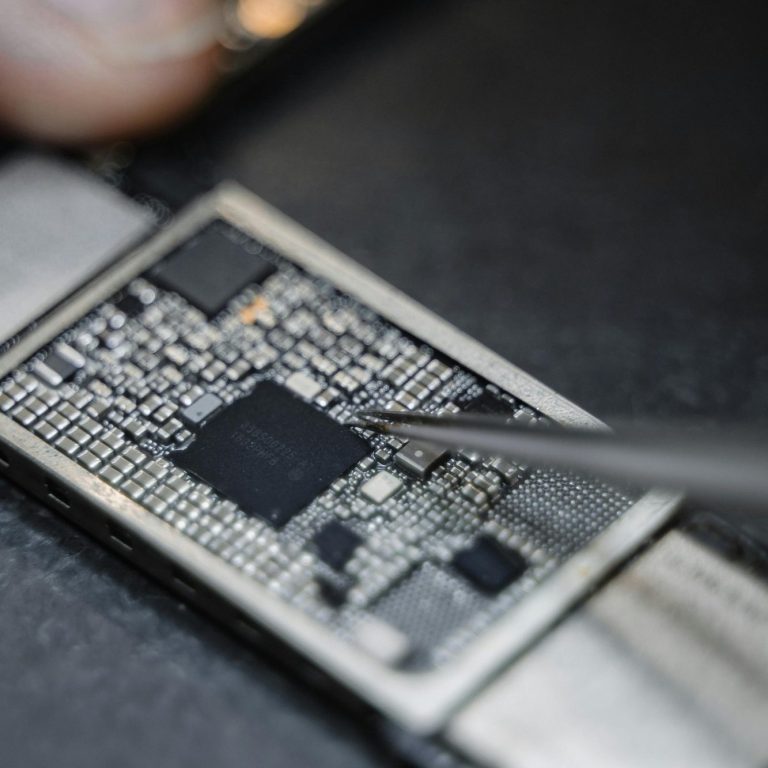

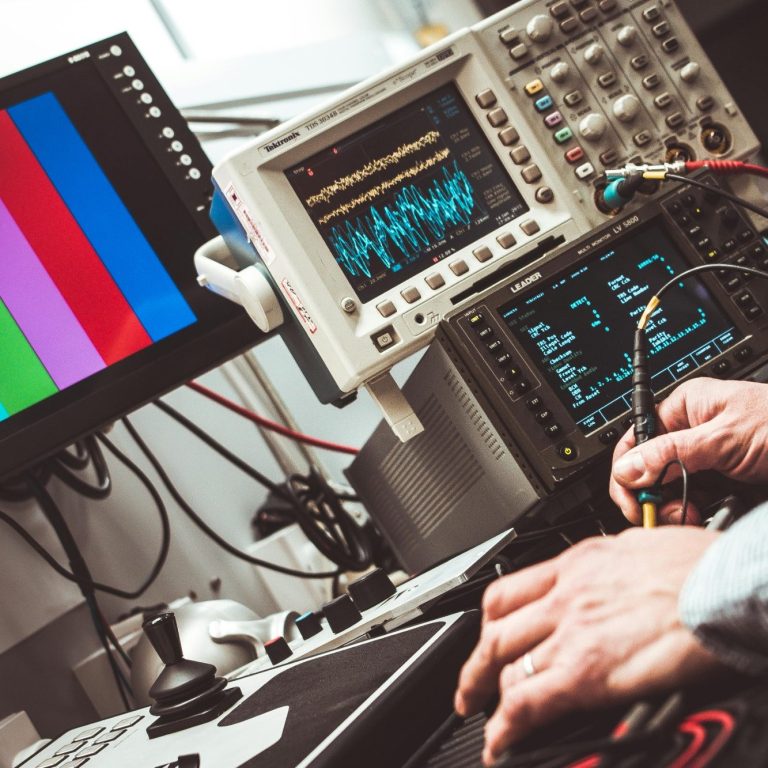
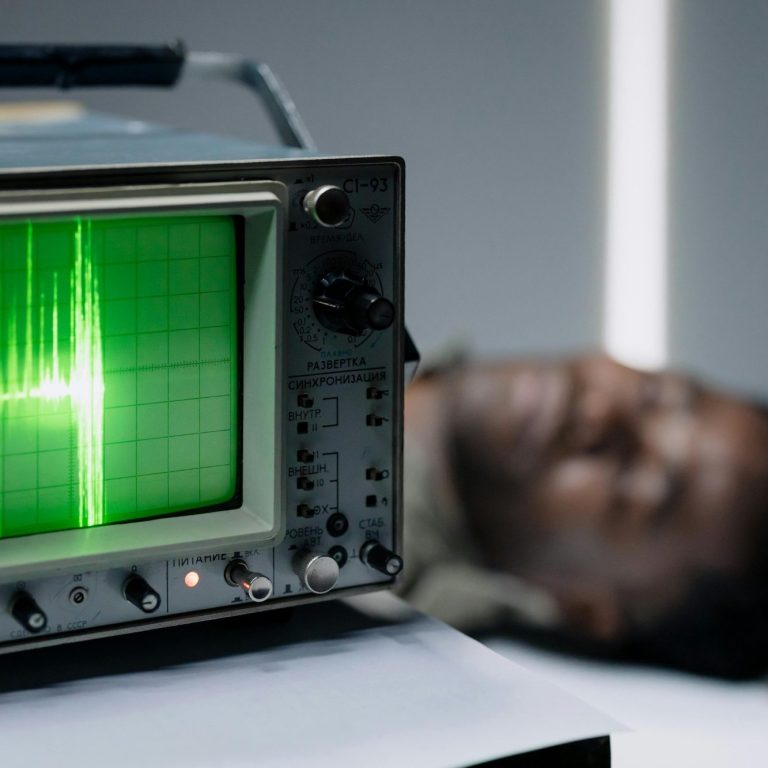
SUMMARY OF TECHNOLOGIES
All of the technologies above can work individually or with each other technology combined to provide a much broader spectrum of detection and sensitivity. Combining sensor technology can work extremely well, particularly in Agricultural and environmental applications, where multiple complex chemicals can combine in soils and the atmosphere to result in a chemical soup .
Many applications require high sensitivity, high selectivity, and concentration data. Self-powered options for remote monitoring demand low power consumption with long-range communication to send back data to a collection hub or the cloud; our sensors are all capable of these applications.
We need your consent to load the translations
We use a third-party service to translate the website content that may collect data about your activity. Please review the details in the privacy policy and accept the service to view the translations.